

WHAT IS CHOLESTEROL?
In simple terms it is a type of fat that is transported in the blood inside tennis-ball-like lipoprotein containers. The two types most commonly talked about are LDL and HDL where the low density (LDL) is often referred to as ‘bad’ cholesterol and the high density (HDL) as ‘good’ cholesterol. This is important because there is a clear correlation between high LDL and heart disease.

WHAT IS NORMAL CHOLESTEROL?
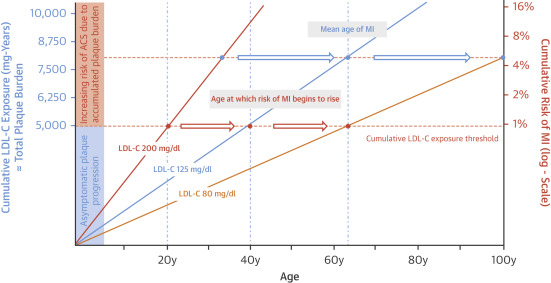
There is really no such thing as ‘normal’ cholesterol. The important thing is the link between LDL and cardiovascular disease. Exposure to LDL cholesterol over time is what causes plaque formation in arteries. The less you have the less risk. At an average LDL of about 3 it takes about 40 years before you develop a 1% risk of heart attack. With a LDL of about 5 you will get there by age 20! If you lower it to 2 it will take into your 60’s to get a 1% risk.

SHOULD I TREAT MY CHOLESTEROL?
Only you can decide what level of risk you are comfortable with. Guidelines such as those from the National Institute for Clinical Excellence (NICE) suggest considering treatment in primary prevention (no previous cardiovascular disease) when your risk of an event in the next 10 years reaches 10%. Of course, the next 10 years are your best and perhaps you are more interested in your whole life risk. After all we don’t wait until 10 years from retirement to start investing in our pension!

HOW DO I LOWER MY CHOLESTEROL?
Lifestyle measures such as a healthy ‘Mediterranean style’ diet rich in oily fish, fresh vegetables, pulses, berries and nuts, cooked fresh and eaten at the table with family, along with regular exercise is always recommended. However, most people will be unable to achieve a significant drop in their cholesterol with lifestyle alone, sufficient to maintain optimal levels of LDL. Medications, normally ‘Statins’ are the most effective way to lower cholesterol. The target is to lower your levels by at least 40%.

